


India is known for its sunlight. Yet, millions of people living in cities spend most of their day indoors.
From office cubicles to air-conditioned homes, the average urban routine has quietly shifted away from natural outdoor exposure. Over time, this shift creates a health gap that many people don’t immediately recognize.
It doesn’t happen suddenly. It builds slowly.
How Urban Living Has Changed Our Daily Exposure to Nature
A typical workday today looks very different from a decade ago.
Morning commute in a car or metro.
Eight to ten hours inside an office.
Evenings indoors.
Weekends spent in malls or at home.
Direct midday sunlight which once came naturally through farming, outdoor labor, or active lifestyles is now minimal for many professionals.
This change affects more than just physical activity levels.
Why Sunlight Still Matters
Natural light exposure plays an important role in overall physiological balance. When the body does not receive adequate sunlight over extended periods, certain biological processes may not function optimally.
This is not about extreme deprivation. It is about consistent underexposure.
Small daily deficits accumulate over time
Subtle Signs of an Indoor Lifestyle Imbalance
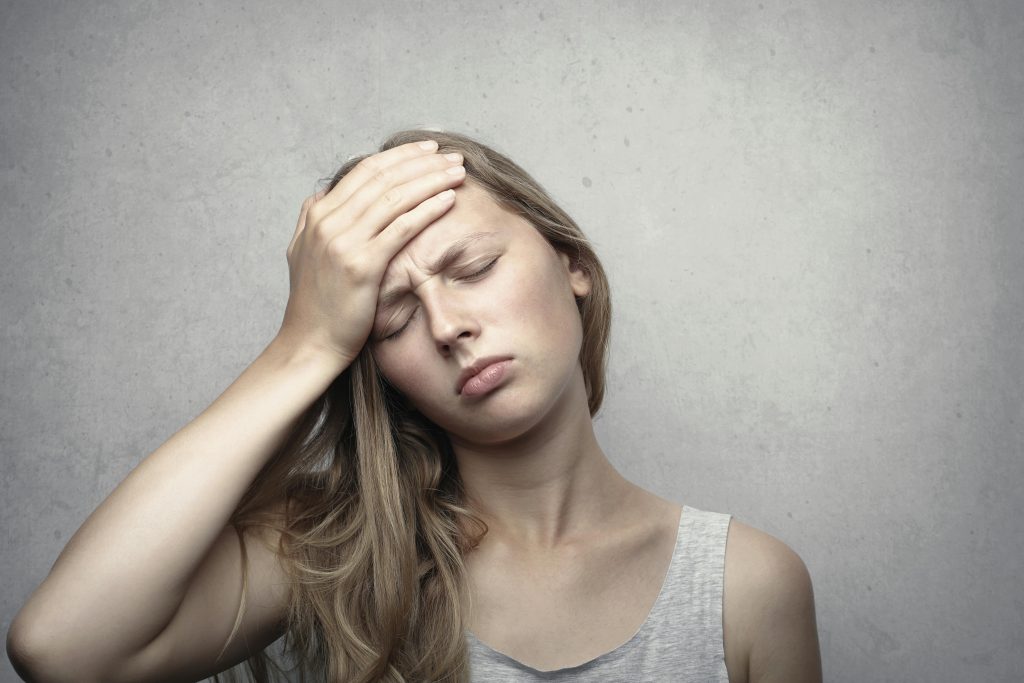
People often attribute these to stress or workload:
- Persistent tiredness despite rest
- Generalized muscle discomfort
- Reduced stamina
- Lower mood stability
- Gradual reduction in physical resilience
Because these symptoms are common and nonspecific, they are rarely linked back to lifestyle-driven nutrient gaps.
Why Quick Fixes Rarely Solve Long-Term Gaps
When people discover an imbalance through routine blood work, they often rely on short bursts of correction.
But if the underlying lifestyle remains unchanged limited sunlight, indoor routine, minimal outdoor activity the imbalance may return.
Long-term problems require long-term solutions.
Consistency is more powerful than intensity.
What Can Be Done Practically?
Completely redesigning urban life is unrealistic. However, small structured changes can make a difference:
- Spending short periods outdoors during peak daylight
- Prioritizing open-air movement when possible
- Monitoring nutrient levels when symptoms persist
- Following consistent correction strategies when advised
The goal is not dramatic transformation. It is a steady, sustainable alignment.
The Bigger Picture of Preventive Health in India
Modern Indian lifestyles are evolving faster than our nutritional habits.
As indoor work becomes the norm, awareness becomes more important than ever. Recognizing subtle lifestyle-driven gaps allows individuals to take proactive steps rather than reactive ones.
Preventive health is not about panic. It is about informed, disciplined decisions.
Disclaimer
This article is for educational purposes only and does not replace professional medical advice. Consult a qualified healthcare professional for personalized guidance