


Vitamin D is essential for maintaining healthy bones, muscles, and immune function. Many people assume that eating a balanced diet will naturally provide all the Vitamin D the body needs.
However, Vitamin D differs from most nutrients because the body primarily produces it through sunlight exposure rather than diet alone.
Understanding how diet contributes to Vitamin D intake can help individuals maintain healthier nutrient levels.
Why Vitamin D Is Different From Other Nutrients
Most vitamins are obtained mainly through food.
Vitamin D, however, is unique because the body produces it when the skin is exposed to sunlight.
This means diet typically plays a supporting role rather than the primary source.
As discussed in our article on natural ways to improve Vitamin D levels, sunlight exposure remains one of the most effective ways to support Vitamin D production.
Foods That Contain Vitamin D
Although limited, some foods do contain Vitamin D.
Natural Food Sources
Examples include:
- Fatty fish such as salmon and tuna
- Egg yolks
- Mushrooms exposed to sunlight
Fortified Foods
Some foods are fortified with Vitamin D, including:
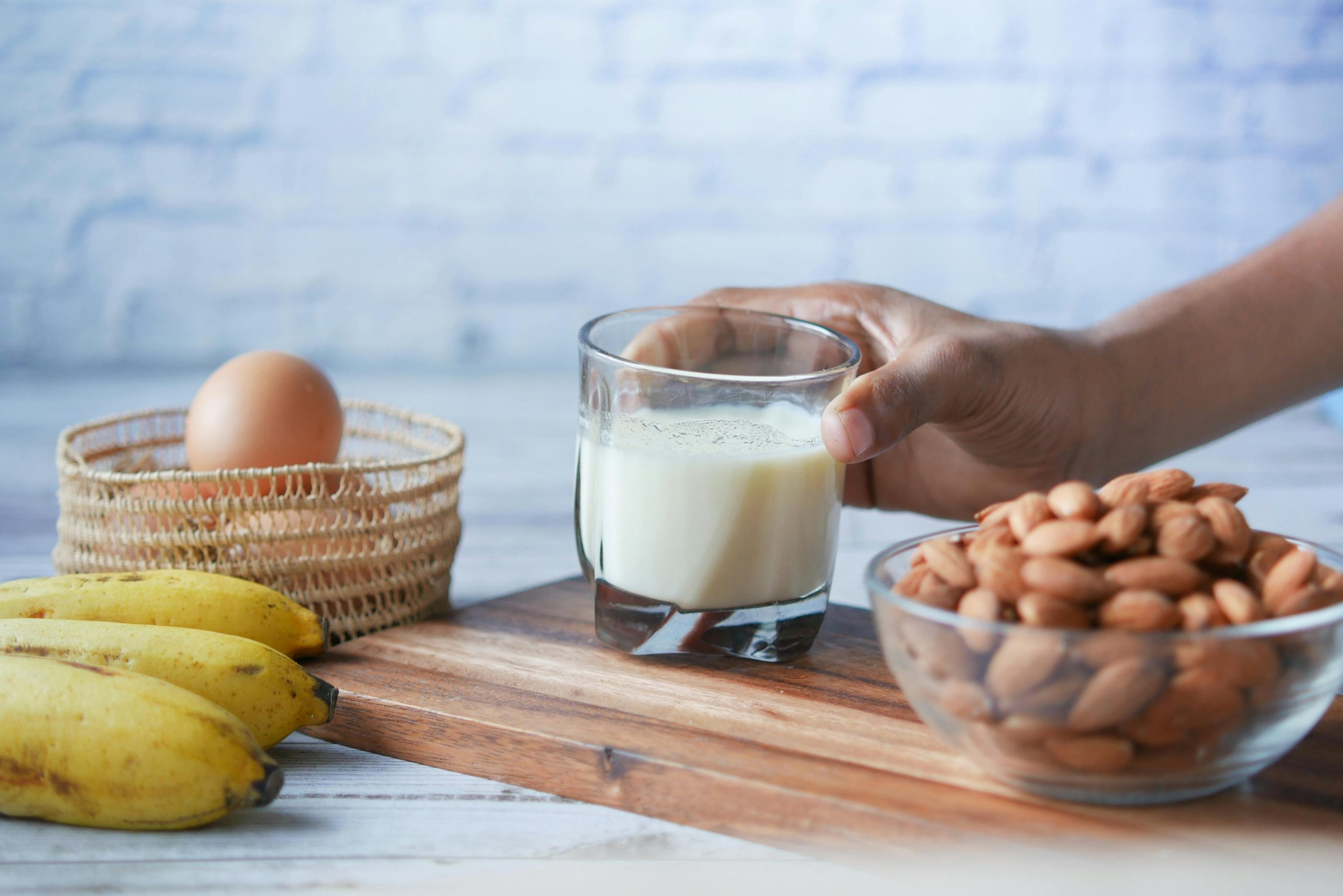
- Milk
- Breakfast cereals
- Plant-based milk alternatives
Why Diet Alone May Not Be Enough
Even when consuming Vitamin D rich foods, the amount obtained through diet may be relatively small compared to what sunlight can provide.
Urban lifestyles with limited outdoor exposure may therefore increase the risk of low Vitamin D levels.
The Role of Sunlight and Lifestyle
Combining diet with healthy lifestyle habits is often the most effective approach.
Regular outdoor activity, balanced nutrition, and periodic health monitoring can help maintain adequate Vitamin D levels.
When Professional Guidance May Be Helpful
If Vitamin D levels remain low despite lifestyle adjustments, healthcare professionals may recommend additional strategies based on individual health needs.
Understanding personal nutrient levels allows individuals to make informed decisions about their health.
FAQ Section
Can food provide enough Vitamin D?
Food can contribute to Vitamin D intake, but sunlight exposure remains the primary natural source.
What foods are highest in Vitamin D?
Fatty fish, egg yolks, and fortified dairy products are among the common dietary sources of Vitamin D.
Why is Vitamin D deficiency common?
Limited sunlight exposure, indoor lifestyles, and dietary patterns may contribute to low Vitamin D levels.