


When it comes to maintaining Vitamin D levels, most people are confused about one thing:
What is the best source of Vitamin D?
Some rely on sunlight, others focus on diet, and many consider supplements. But which one actually works best?
Let’s break it down in a simple, practical way.
What is the best source of Vitamin D?
Sunlight is the most natural and effective source of Vitamin D, while food provides limited support. Supplements help maintain consistent levels when natural sources are not enough.
Understanding the Three Main Sources
1. Sunlight
Sunlight triggers natural Vitamin D production in the skin.
According to the National Institutes of Health, this is the primary source for most individuals.
2. Food Sources
Foods like dairy, mushrooms, and fortified products provide small amounts of Vitamin D.
However, it is difficult to meet full requirements through diet alone.
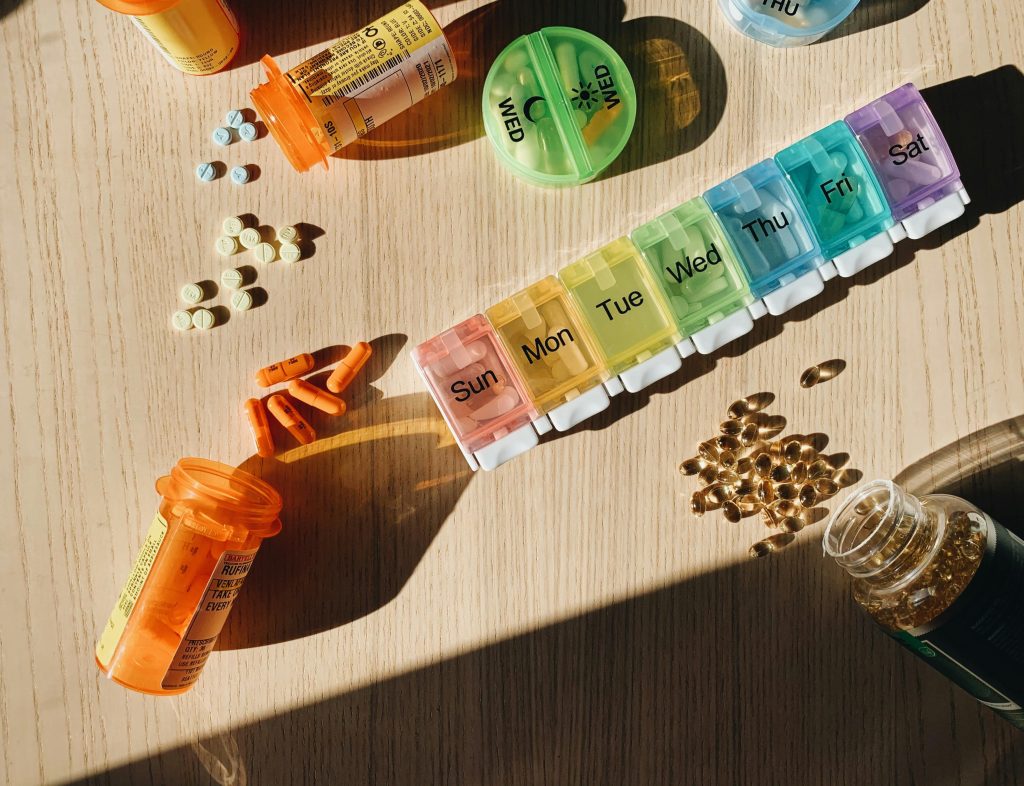
3. Supplements
Supplements provide a controlled and consistent intake, especially useful when lifestyle limits natural exposure.
Options from Vedavive focus on supporting preventive health routines.
Comparison Table
| Factor | Sunlight | Food | Supplements |
|---|---|---|---|
| Availability | High | Moderate | High |
| Consistency | Low | Low | High |
| Natural Source | Yes | Yes | No |
| Ease of Use | Moderate | Easy | Very Easy |
| Effectiveness | High | Low | High |
Key Insights From the Comparison
• Sunlight is powerful but inconsistent
• Food is supportive but insufficient
• Supplements provide reliability
Which One Should You Choose?
Choose Sunlight If
• You spend time outdoors regularly
Choose Food If
• You maintain a balanced diet
Choose Supplements If
• You have limited sunlight exposure
Best Strategy
The most effective approach is a combination of:
✔ Sunlight
✔ Balanced diet
✔ Consistency
Final Takeaway
There is no single “best” source the best solution is the one that fits your lifestyle and ensures consistency.