

Vitamin D is essential for maintaining bone health, supporting immunity, and overall well-being. However, one common question people often ask is: what is the best source of Vitamin D?
Should you rely on sunlight, improve your diet, or consider supplements?
Understanding the strengths and limitations of each source can help individuals make better health decisions.
Why Vitamin D Sources Matter
Vitamin D is unique because it can be obtained from multiple sources:
• Sunlight
• Food
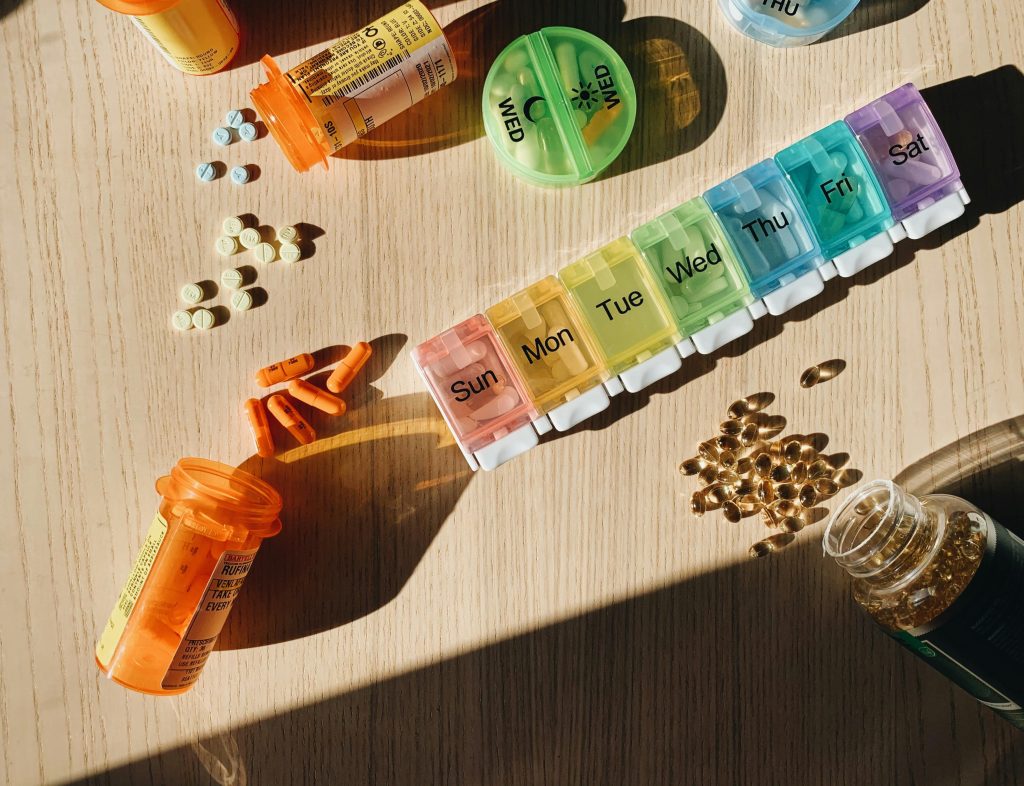
• Supplements
Each source plays a different role in maintaining optimal Vitamin D levels.

Sunlight – The Primary Natural Source
Sunlight is the most natural way to produce Vitamin D.
According to the National Institutes of Health, the body produces Vitamin D when exposed to UVB rays.
Benefits :
- Natural and effective
- No cost
- Supports overall health
Limitations
- Depends on timing and exposure
- Not consistent for indoor lifestyles
Food – A Supporting Source
Diet can help support Vitamin D intake, but it may not be sufficient alone.
Common Sources
• Mushrooms
• Fortified milk
• Cereals
Limitations
Most foods contain relatively small amounts of Vitamin D.
Supplements – When Additional Support Is Needed
Supplements may be considered when natural sources are not enough.
They can help maintain consistent Vitamin D levels, especially for individuals with limited sunlight exposure.
Which Is the Best Option?
There is no single “best” source. The most effective approach is a combination of:
• Sunlight exposure
• Balanced diet
• Guided supplementation (if needed)
Making an Informed Choice
Understanding your lifestyle, daily routine, and health needs is key to choosing the right approach.
FAQ
What is the best source of Vitamin D?
Sunlight is the primary source, supported by diet and supplements if needed.