
Signs You May Need More Vitamin D in Your Daily Routine

Vitamin D plays a crucial role in maintaining overall health, yet many people may not realize when their body is lacking it. Unlike some nutrients, Vitamin D deficiency often develops gradually, making it difficult to identify in the early stages.
In today’s fast-paced urban lifestyle, long working hours indoors, reduced outdoor activity, and limited sunlight exposure have made low Vitamin D levels increasingly common. Understanding the early signs can help individuals take preventive steps and maintain better health.
Why Vitamin D Is Important for Your Body
Vitamin D supports several essential functions in the body. It helps regulate calcium absorption, which is necessary for strong bones and teeth. In addition, it plays a role in supporting muscle function and immune health.
When Vitamin D levels are not adequate, the body may not function optimally, which can lead to subtle health changes over time.

Early Signs You May Need More Vitamin D
Recognizing early symptoms can help prevent long-term health concerns.
Persistent Fatigue
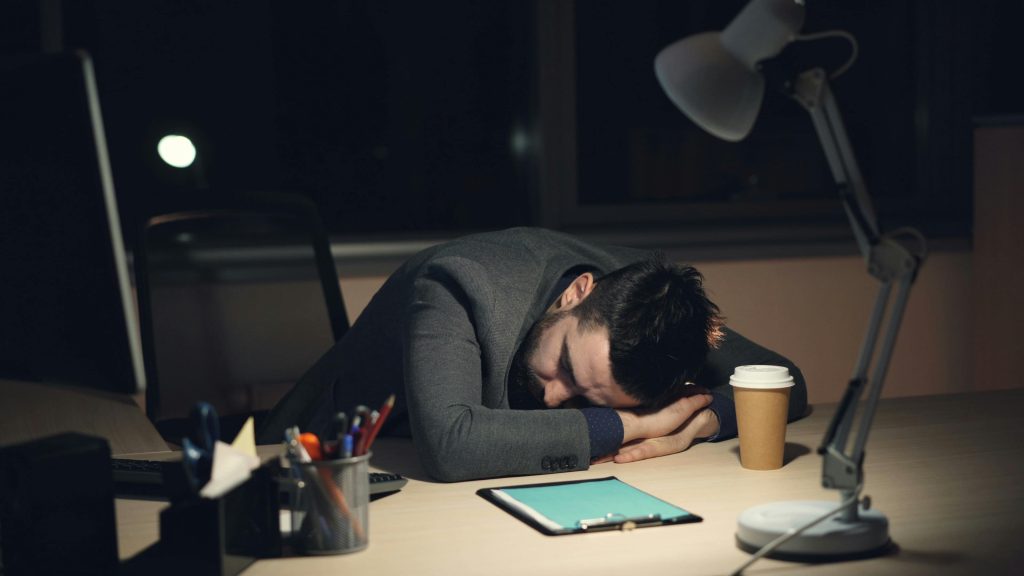
One of the most common signs is feeling tired throughout the day, even after adequate rest. Low Vitamin D levels may contribute to reduced energy levels.
Muscle Weakness
Vitamin D is important for muscle strength. A deficiency may lead to discomfort or weakness during daily activities.
Frequent Illness
Vitamin D supports immune system function. Lower levels may affect how the body responds to infections.
Bone or Joint Discomfort
Since Vitamin D helps regulate calcium, low levels may gradually affect bone health, leading to mild discomfort.
As discussed in our earlier article on how much sunlight for Vitamin D, consistent sunlight exposure is essential for maintaining healthy levels.
Lifestyle Factors That Increase Vitamin D Needs
Certain daily habits may increase the body’s requirement for Vitamin D.
Indoor Work Environment
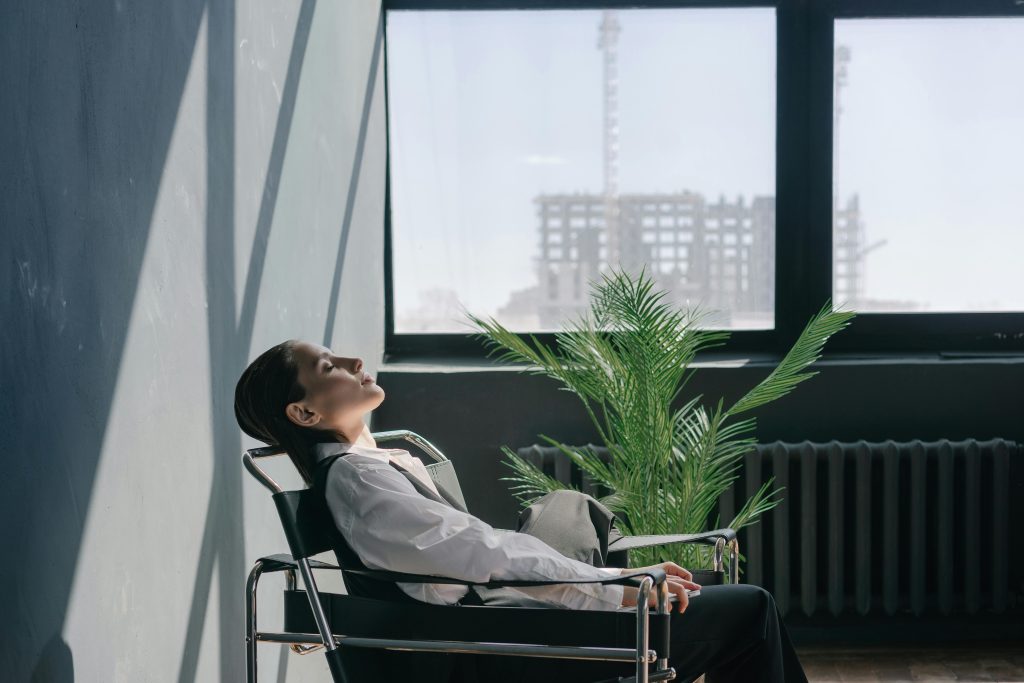
Spending long hours indoors reduces exposure to natural sunlight, which is the primary source of Vitamin D.
Limited Outdoor Activity
Busy schedules often prevent people from spending time outdoors, especially during daylight hours.
Urban Living Conditions
High-rise buildings, pollution, and indoor lifestyles can limit effective sunlight exposure.
Simple Steps to Support Vitamin D Levels
Maintaining Vitamin D levels does not always require drastic changes.
Spend Time Outdoors
Short periods of sunlight exposure several times a week can support natural Vitamin D production.
Maintain a Balanced Diet
Including foods that contain Vitamin D can support overall nutritional intake.
Stay Physically Active
Outdoor activities like walking can provide both sunlight exposure and health benefits.
When to Pay Attention
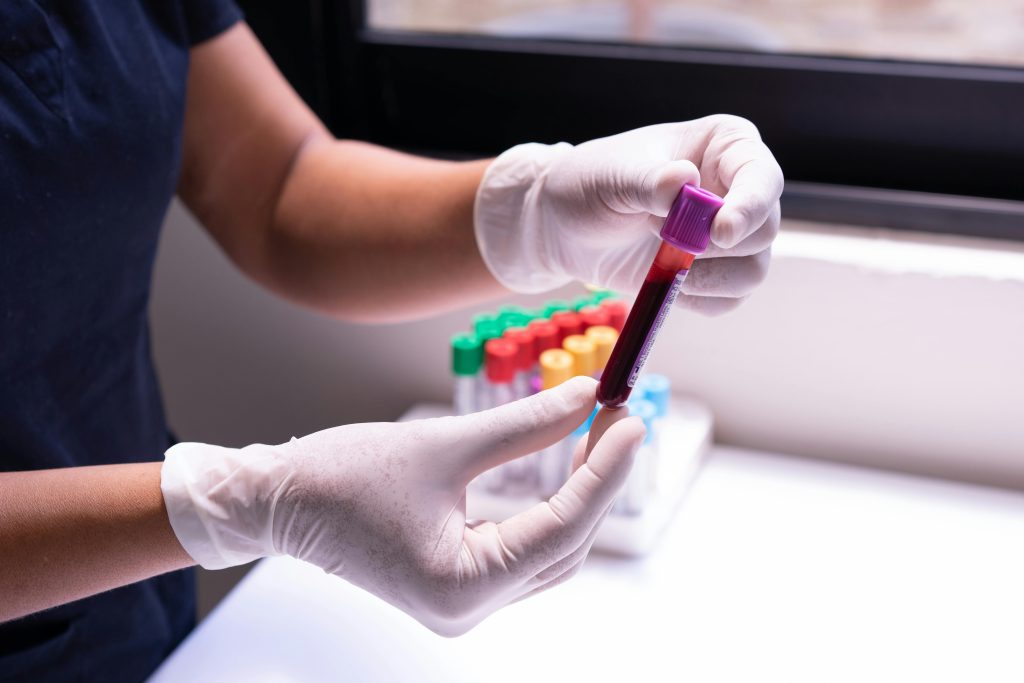
If these signs persist over time, it may be helpful to monitor Vitamin D levels through routine health checkups.
Early awareness allows individuals to take proactive steps toward maintaining overall well-being.
FAQ Section
What are the signs of low Vitamin D?
Common signs include fatigue, muscle weakness, frequent illness, and mild bone discomfort.
Can lifestyle affect Vitamin D levels?
Yes. Indoor work, limited sunlight exposure, and dietary habits can influence Vitamin D levels.
How can I improve Vitamin D naturally?
Regular sunlight exposure, balanced nutrition, and active lifestyle habits can help support Vitamin D levels.
Guidelines by the National Institutes of Health