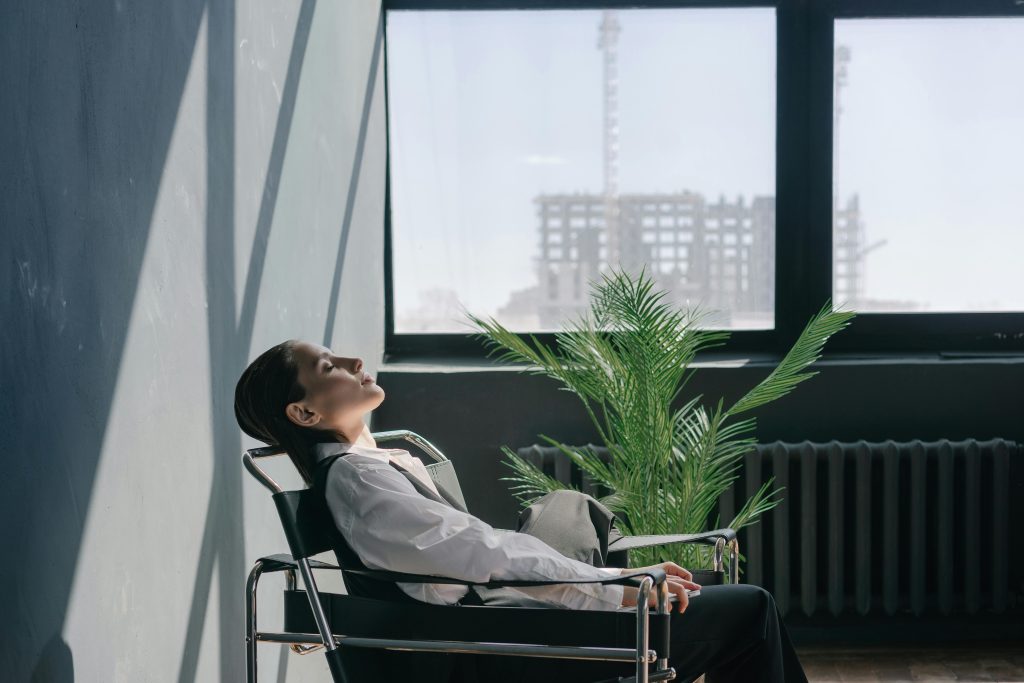


Why Office Workers Are at Higher Risk of Low Vitamin D

The modern workplace has transformed how people spend their daily hours. Many professionals spend most of their day indoors, working on computers under artificial lighting.
While this environment supports productivity, it also limits exposure to natural sunlight the primary source of Vitamin D.
As a result, office workers are among the groups most vulnerable to Vitamin D deficiency.
How Indoor Work Affects Vitamin D Levels
Vitamin D is produced when the skin is exposed to sunlight. However, indoor environments block the UVB rays needed for this process.
Glass windows, office walls, and artificial lighting do not provide the same benefits as natural sunlight.
(Internal Link: Read our article on Best Time of Day to Get Sunlight for Vitamin D Naturally)
Common Habits That Reduce Sunlight Exposure
Long Working Hours Indoors
Office workers may spend eight to ten hours each day inside buildings.
Commuting in Vehicles
Traveling in cars or public transportation further limits sunlight exposure.
Limited Outdoor Breaks
Many professionals skip outdoor breaks due to busy schedules.

Potential Health Effects of Low Vitamin D
Low Vitamin D levels may impact overall health over time.
Possible effects may include:
- Fatigue
- Muscle discomfort
- Reduced immune support
- Bone health concerns
These symptoms often appear gradually.
Simple Lifestyle Adjustments for Office Workers
Small daily habits can help improve sunlight exposure.
Take Short Outdoor Breaks
Stepping outside for a few minutes during the day may support natural Vitamin D production.
Walk During Lunch Breaks
Outdoor walks provide both sunlight and physical activity.
Maintain a Balanced Diet
Including foods rich in Vitamin D can support overall nutritional balance.
Building Awareness in Modern Work Environments
Workplace wellness awareness is becoming increasingly important. Encouraging outdoor breaks and promoting healthy lifestyle habits can help individuals maintain better overall health.
Understanding the importance of sunlight exposure may help office workers make simple changes that support long-term well-being.
FAQ Section
Why do office workers have low Vitamin D?
Indoor work environments limit exposure to natural sunlight, which is required for Vitamin D production.
Can sitting near a window provide Vitamin D?
No. Glass blocks UVB rays needed for Vitamin D synthesis.
How can office workers improve Vitamin D levels?
Spending short periods outdoors, maintaining a balanced diet, and monitoring health regularly may help support Vitamin D levels.